Ethiopian Church Reports 60 Christians Killed in Two Attacks
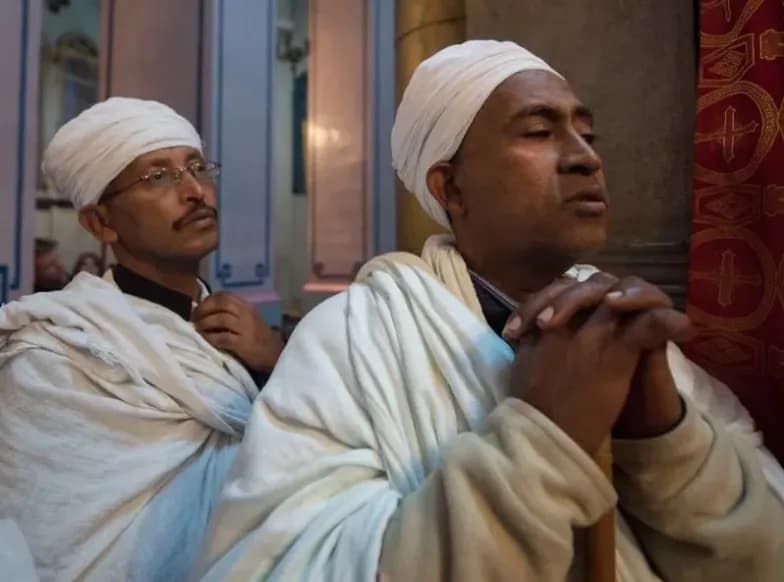
The Ethiopian Orthodox Tewahedo Church has called for protection and accountability after reporting that at least 60 of its members were killed in two attacks in Ethiopia’s Oromia region on October 20 and 24.
The church’s Holy Synod said 14 people died in Merti district on October 20 and another 46 in Shirka district four days later. Both districts are in the Arsi Zone. The church identified the affected locations as Gora Silingo in Merti and Tereta Chole and Birbo in Shirka, according to the African Press Agency.
More than 20 people were seriously wounded and 20 homes were burned, the church said. The death toll and damage figures remain the church’s account, rather than an independently established final tally. The attacks have left bereaved families, injured survivors and residents whose homes were destroyed needing assistance.
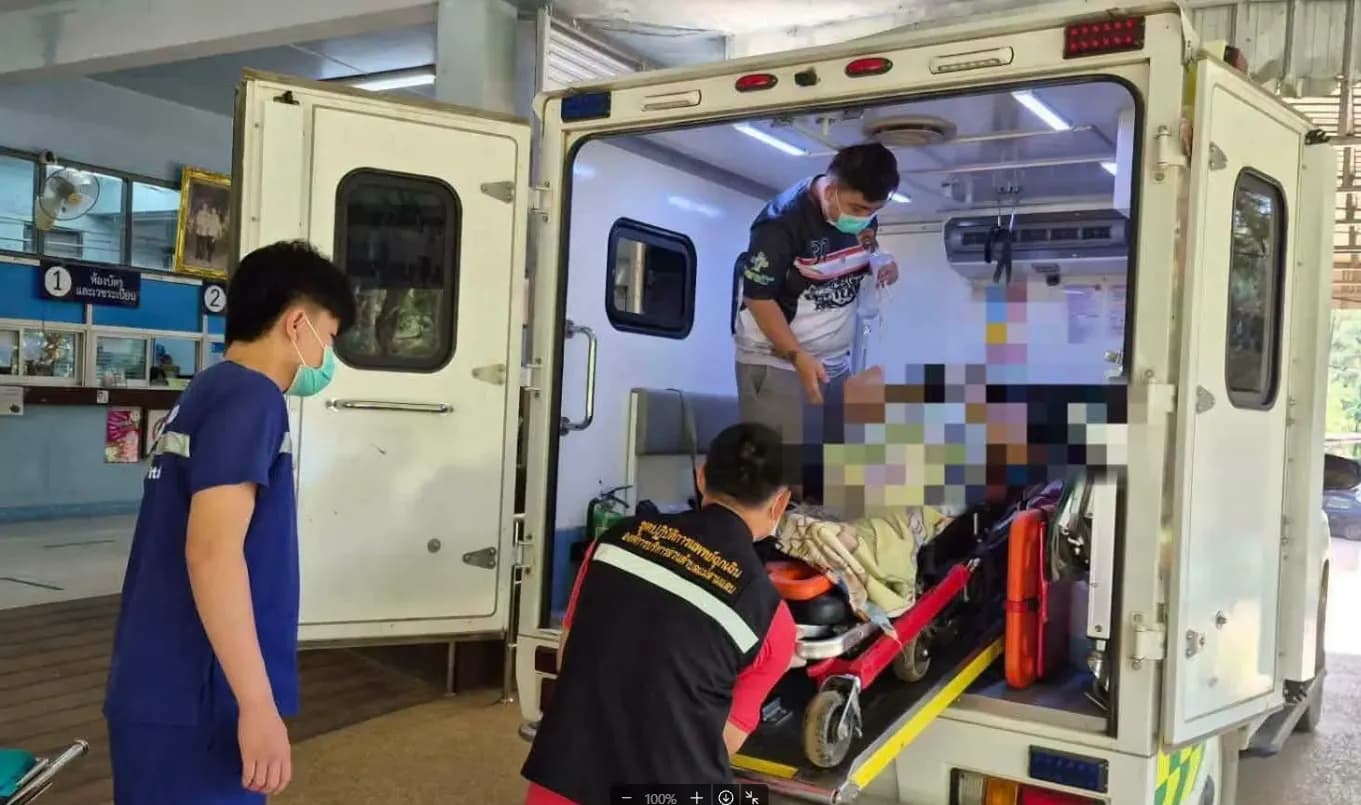
A resident who helped transport wounded people and a priest who saw patients arriving at a nearby hospital described the aftermath to The Associated Press. Both spoke anonymously because they feared for their safety. Some injured patients were transferred to other hospitals.
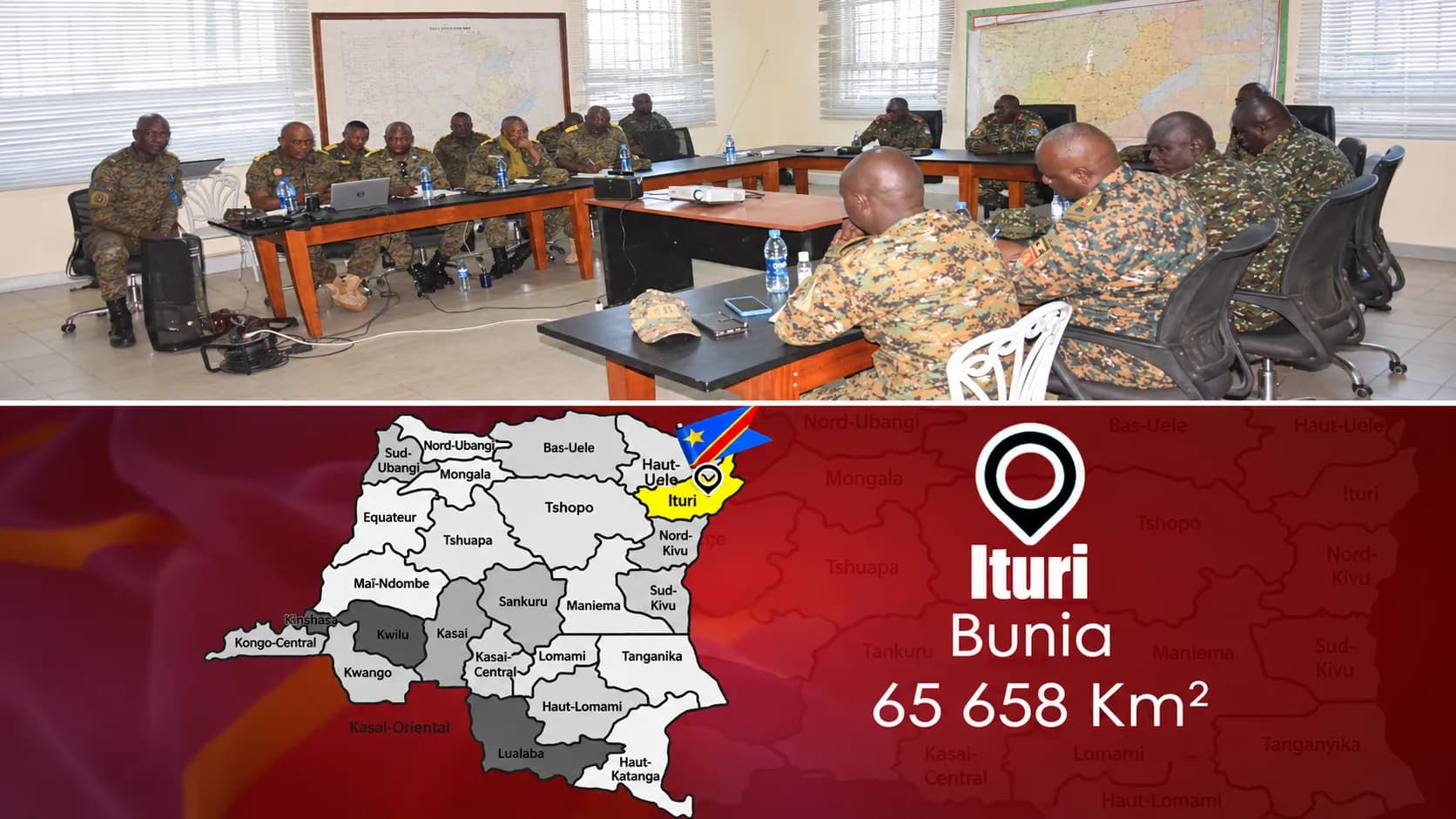
Oromia regional government spokesperson Hailu Adugna blamed the Oromo Liberation Army and alleged that the attacks were intended to provoke ethnic and religious conflict. He did not provide evidence supporting that accusation. The group’s leader has previously denied that its fighters target civilians, and responsibility for these attacks remains disputed.
The violence comes against a wider background of civilian suffering in Oromia. Amnesty International’s March 2026 briefing documented sexual violence and displacement in the region’s Kellem Wallaga Zone. That research concerned a different area and does not establish who carried out the October attacks in Arsi.
The Holy Synod described the killings as violations of the rights to life and religious freedom. It urged federal and regional authorities to condemn the attacks, protect vulnerable communities and bring perpetrators to justice.
Church authorities held a memorial prayer service on October 26 and directed churches and monasteries worldwide to remember the victims the following day. The Synod also announced plans for discussions with senior government officials aimed at securing longer-term protection. Those demands place civilian safety, assistance for survivors and accountability at the center of the church’s response.